





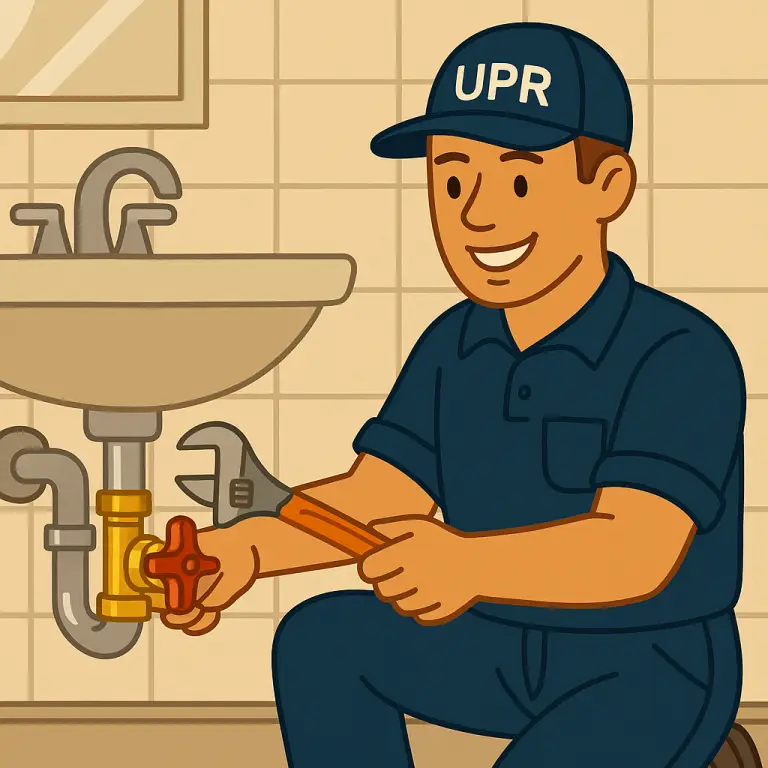
A Shut-Off Valve Matters Most on the Day You Actually Need It
A plumbing shut-off valve can sit untouched for years without causing any trouble. It may be underneath a kitchen or bathroom sink, behind a toilet, beside a washing machine or controlling another section of the plumbing somewhere in the house. As long as everything downstream continues working properly, most homeowners have little reason to think about whether that valve can still do its job.
That changes quickly when a fixture begins leaking, a toilet needs to be replaced, an appliance connection requires service or a renovation reaches the point where part of the water supply has to be disconnected. A valve that has not moved in ten or twenty years is suddenly expected to close completely and hold back pressurized water while the plumbing beyond it is opened.
At UPR (Underground Plumbing Repair), we install and replace shut-off valves throughout Toronto and the GTA for fixtures, appliances, interior waterlines and renovation plumbing. The valve itself may be a small part of the system, but when maintenance or repair is needed, having reliable control over the water can make the difference between a straightforward plumbing job and a much larger disruption.
A properly working local shut-off allows the affected fixture or section of piping to be isolated while the rest of the home can often remain in service. That is particularly valuable in a house with several bathrooms, occupied living areas or plumbing work that may take longer than a simple fixture change.
Older Valves Can Look Fine Until Someone Turns Them
Shut-off valves spend most of their lives in one position, which is why a valve that appears perfectly normal from the outside may behave very differently when it is finally operated. Older multi-turn valves can become stiff over time, internal components can deteriorate and mineral deposits or corrosion can interfere with the valve’s ability to close completely.
Sometimes the first sign of trouble appears only after the handle is turned. A valve may begin leaking around the stem, continue allowing water through even when fully closed or become difficult to operate without placing unnecessary force on the connected piping. In other cases, the valve itself is still functional but the connection beside it has deteriorated and begins leaking when the plumbing is disturbed.
None of that means an older valve should automatically be replaced because of its age. If an existing valve operates properly, remains dry and isolates the fixture as intended, there may be no practical reason to disturb it. What matters is whether it can still perform the job it was installed to do.
The best time to address an unreliable valve is often when the surrounding plumbing is already being serviced. If UPR is completing a faucet repair or replacement and the shut-offs beneath the sink no longer close properly, leaving them behind can make the next service call unnecessarily difficult. The same applies during toilet repair or replacement when the supply valve is already accessible and the water has already been isolated for the work.
Different Valves Control Different Parts of the Water System
Not every shut-off valve serves the same purpose. Some isolate one fixture, while others control a washing machine, appliance connection or branch of the interior water system. A larger main shut-off inside the building can isolate the home more broadly when work cannot be completed using a smaller local valve.
Interior waterlines distribute pressurized water through the home, while the underground water service brings that supply into the building. Shut-off valves provide control within those systems, allowing a fixture, appliance or section of piping to be isolated when maintenance, repair or renovation requires it.
Understanding what a valve controls is important before replacing it because the surrounding plumbing may change the scope of the repair. A leaking valve under a bathroom sink may be a simple localized problem, while deterioration in the piping connected to that valve may point toward an interior waterline repair as well. If the issue originates farther upstream in the buried service bringing water toward the house, the diagnosis moves into the main waterline rather than remaining at the fixture.
The systems are connected, but the repair should still follow the actual failure. Replacing a perfectly good fixture valve will not correct a supply problem elsewhere, just as replacing an entire section of waterline makes little sense when one worn valve is the only component that has failed.
Quarter-Turn Valves and Older Multi-Turn Valves
Many older homes throughout Toronto and the GTA still contain traditional multi-turn shut-off valves. Some remain dependable after decades of service, while others become increasingly difficult to operate as the internal components wear or mineral buildup develops.
Quarter-turn ball-style valves are commonly used in modern plumbing because they provide a simple movement between the fully open and fully closed positions. They can be a practical choice when an existing valve needs replacement or new plumbing requires a shut-off, but the style of the valve is only one part of a proper installation.
The valve needs to suit the piping and the application, and the connections around it need to be made properly. It should also remain reasonably accessible so that the person servicing the fixture years later can actually reach and operate it without dismantling finished work.
Once the installation is complete and the water is restored, the valve and surrounding connections should be checked under normal operating pressure. A new valve is not an improvement if the connection beside it begins leaking after the plumbing is put back into service.
Renovations Are a Good Time to Plan Shut-Offs Properly
Renovation work often exposes valves and plumbing connections that may not be easily accessible again once new cabinetry, drywall or finished surfaces are installed. That creates a sensible opportunity to assess what is already there and make sure the future layout leaves practical control over the plumbing.
During a laundry rough-in, for example, the washing machine needs accessible hot and cold water shut-offs positioned around the final appliance layout. Bathroom renovations may require new isolation for toilets, vanities or other fixtures, while kitchen work can expose older valves beneath the sink that have not been touched in many years.
We do not automatically replace every valve simply because the room is being renovated. If the existing valve is suitable, accessible and working properly, it can continue doing its job. If it leaks when operated, no longer closes completely or will become difficult to reach once the renovation is finished, correcting the problem while the plumbing is already exposed can prevent a much more inconvenient repair later.
Planning matters particularly when cabinets and finished surfaces are involved. Plumbing components that require future operation or service should not be buried somewhere that makes ordinary maintenance unnecessarily destructive.
A Valve Leak Is Not Always Coming From the Valve
Water collecting around a shut-off valve can make the source look obvious when it is not. Moisture may be coming from the valve body or stem, but it can also originate at the connection between the valve and the waterline, from the flexible supply above it or from another nearby plumbing component.
Before changing the valve, we want to know which connection is actually responsible. That distinction is especially important beneath sinks and behind toilets, where several plumbing connections are located close together and water can travel along piping before dripping from the lowest point.
If the valve itself has failed and the surrounding piping remains sound, the repair should stay focused on the valve. If opening the area reveals deteriorated piping or another supply problem nearby, the repair can be adjusted to correct that condition rather than installing a new valve onto plumbing that is already failing.
This is the same principle UPR applies to larger plumbing work: start with what the homeowner is experiencing, trace it to the actual source and make the repair fit the condition rather than assuming the first visible component must be the whole problem.
Reliable Isolation Makes Future Plumbing Work Easier
A good shut-off valve will probably spend most of its life unnoticed, but its value becomes clear whenever the plumbing downstream needs attention. Being able to isolate one toilet, sink or appliance can allow the rest of the house to continue operating while that repair is completed, and a dependable branch or main valve gives the plumber control when work extends beyond one fixture.
That control is also important during unexpected leaks. A fixture connection that suddenly fails is much easier to manage when the water feeding it can be stopped immediately at a nearby valve. When no usable local isolation exists, the homeowner may have to shut down a much larger portion of the water system until the problem is corrected.
For that reason, shut-off valve work is not about installing extra plumbing components for the sake of it. It is about making sure the valves already serving the system can provide reliable isolation where it is useful and adding proper control when new plumbing or renovation work requires it.
Shut-Off Valve Installation & Replacement Across Toronto and the GTA
UPR installs and replaces plumbing shut-off valves throughout Toronto and the Greater Toronto Area in kitchens, bathrooms, laundry rooms, basements and other areas where fixtures, appliances or sections of the water system need reliable isolation.
Some service calls begin with a valve that has already failed. It may be seized, difficult to turn, leaking when operated or closing without actually stopping the water. Other replacements happen naturally during larger plumbing work when a faucet, toilet or appliance connection is being changed and an existing valve is no longer dependable enough to leave behind.
With more than 20 years of hands-on plumbing and underground experience, UPR looks at the valve together with the piping and fixture it controls. When the problem is limited to the valve, we keep the repair focused there. When the surrounding plumbing shows another condition that needs attention, we explain what we find and deal with the system rather than pretending one component exists independently from everything connected to it.
If you have a shut-off valve that is leaking, seized, difficult to operate or no longer stopping the water properly, call UPR. We’ll inspect the valve, its connections and the piping it serves, then repair what actually needs attention so the next time that valve is needed, it can do the job it was installed to do.
UPR — We don’t fix. We solve.