





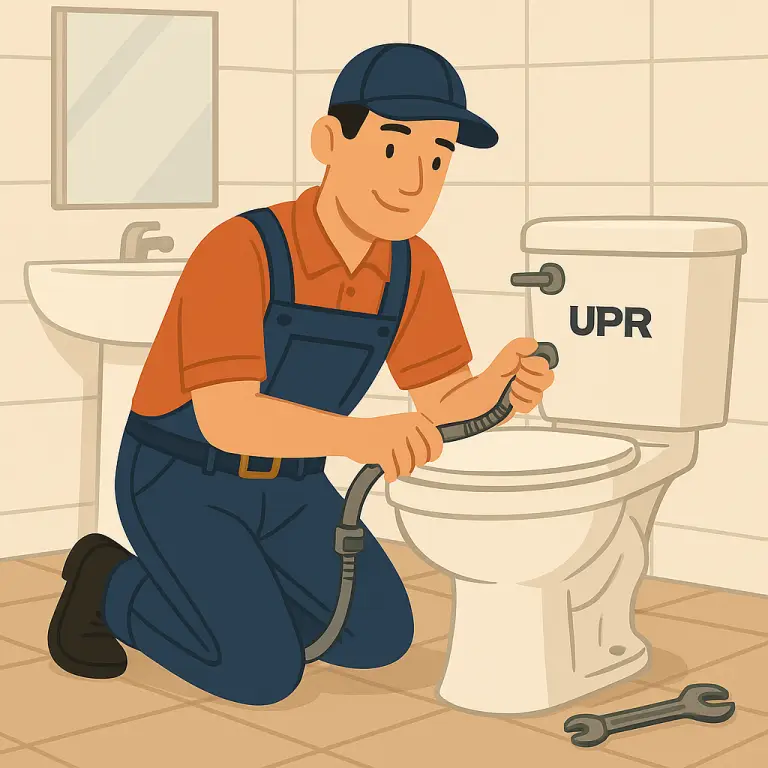
The Plumbing You Use Every Day Should Simply Work
Most plumbing inside a home gets very little attention when it is doing its job properly. You turn on a faucet and water is there, the toilet flushes, the shower reaches the temperature you expect, and the washing machine fills and drains without anyone thinking about the piping behind it. Even the shut-off valves beneath sinks can sit untouched for years because, when everything works properly, there is simply no reason to think about them.
That changes quickly when one small part stops working. A faucet starts dripping constantly, a toilet runs through the night, a shower valve becomes difficult to control, or an old shut-off valve will not actually stop the water when it is needed. Somewhere behind a finished wall, a waterline may begin leaking, or a renovation may reach the point where the plumbing underneath everything has to be planned correctly before the finishes can move forward.
At UPR (Underground Plumbing Repair), we handle plumbing services throughout Toronto and the GTA for the fixtures and systems homeowners use every day, as well as the piping that disappears behind walls, beneath floors and inside finished spaces once the work is complete. With more than 20 years of hands-on plumbing and underground experience, we know that what appears at the surface does not always tell the complete story.
A faucet is connected to waterlines, a toilet depends on both its water supply and the drainage below it, and a new bathroom requires properly positioned drainage, venting and hot and cold water long before the final fixtures are installed. A kitchen sink may look simple from above, while the water connections and branch drainage hidden behind the cabinet determine whether that kitchen continues working properly years after the renovation is finished.
That is why good plumbing starts with understanding how the pieces connect. Sometimes the repair really is small and should remain small, while other times the visible problem is simply the first place a larger issue has shown itself. Knowing the difference is what keeps a straightforward repair from becoming unnecessary work and a larger problem from being overlooked.
Everyday Plumbing Problems Often Start at the Fixture
A dripping faucet, running toilet or unreliable shower does not automatically mean there is a major plumbing problem somewhere else in the house. Fixtures contain seals, cartridges, valves and other working components that wear over time, and many problems can be corrected without disturbing the rest of the plumbing.
When a faucet needs repair or replacement, the right solution may be as straightforward as repairing the failed component or installing a properly connected replacement. The same applies to toilet repair and replacement, where the problem may involve the fill or flush mechanism, water connection, seal at the base or the fixture itself. The repair should match what has actually failed rather than turning every service call into a replacement.
Showers and tubs bring another layer of plumbing behind the finished surface. Valves, cartridges, diverters, supply connections and drainage all have to work together, which means a leak or control problem needs to be traced before anything is replaced. Understanding whether the failure belongs to the visible fixture, the valve behind the wall or the piping supplying it keeps the repair focused where it actually belongs.
The same thinking applies to shut-off valves. A valve may remain untouched for years before a fixture replacement, renovation or leak suddenly requires it to work immediately. Older valves can become stiff, begin leaking when operated or stop closing completely, so part of a proper plumbing repair is making sure the components controlling the water are dependable as well.
A new faucet connected to deteriorated piping has not solved the condition of that piping, just as replacing a toilet does not repair a damaged drain connection underneath it. We begin with the problem the homeowner can see, but we do not assume that is automatically where the problem ends.
Waterlines and Kitchen Plumbing Connect the Visible Home to Everything Behind It
The plumbing you see is only a small part of the complete system. Behind finished walls and ceilings, interior waterlines distribute hot and cold water throughout the house, while drainage carries used water away from kitchens, bathrooms, laundry rooms and other fixtures.
UPR handles interior waterline repair and repiping when a leak occurs inside the home or when the condition of existing piping deserves a closer look. A single isolated leak does not automatically mean an entire house needs to be repiped, and if the surrounding plumbing remains sound, repairing one affected section may be all that makes sense. The situation changes when leaks begin appearing repeatedly in different areas or previous repairs have become a pattern, because at that point it may be more practical to look at the condition of the system as a whole.
Kitchens bring both the supply and drainage sides of plumbing together in a relatively small area. A kitchen drain handles food residue, grease, detergents and significant amounts of water every day, while the same cabinet may contain hot and cold waterlines, shut-off valves and fixture connections. A slow drain, a leaking supply connection and moisture beneath the sink can therefore appear in almost the same place while having completely different causes.
Kitchen, fixture and waterline problems do not always stay neatly inside one part of the plumbing system. A slow kitchen drain may begin at the sink but continue farther downstream, while a supply problem may be local to one fixture or originate in the interior distribution piping. UPR follows the plumbing to the actual source instead of stopping at an arbitrary boundary. Inside the home, fixtures, branch drains and interior waterlines make up the plumbing homeowners use every day, while the buried water service outside is a separate part of the supply system that needs its own diagnosis and repair.
When the problem involves that buried service bringing municipal water toward the building, the diagnosis may lead to the main waterline rather than the interior distribution piping. The two systems are connected, but they fail differently and often require very different repair methods, so identifying which side of the system is actually responsible matters before the work begins.
Renovation Plumbing Needs to Be Right Before Anything Is Covered
Some of the most important plumbing work happens before there is a finished room to look at. A renovation may begin with drawings, fixture selections and a clear idea of how the finished space should feel, but all of those finishes eventually depend on drainage, venting and waterlines being placed correctly while the floors and walls are still open.
A washroom rough-in establishes the plumbing locations that will eventually serve the toilet, vanity, shower or bathtub. A few inches can become important once framing, cabinetry and tile begin surrounding those connections, so the plumbing has to be coordinated with the actual layout of the room rather than installed according to a rough assumption of where everything may eventually go.
The same principle applies to a laundry rough-in. The washer needs reliable water supply and drainage, and the location of those connections needs to work with the appliance, cabinetry and the way the finished room will be used. If a laundry sink is included, that becomes another part of the plumbing plan rather than something that should be figured out after the rest of the room is already built.
A full basement plumbing rough-in can take that planning much farther. Basement renovations may combine bathrooms, laundry rooms, kitchens or wet bars in spaces where the original plumbing was never designed for the proposed layout. Creating those connections can require opening the concrete floor, tying new drainage into the building drain and positioning future fixtures correctly before the piping disappears underneath a new slab.
This is where careful planning saves expensive corrections later. Moving a vanity connection while a wall is open is manageable, but discovering that a shower drain is in the wrong position after waterproofing and tile are complete is a very different problem. UPR works with homeowners, contractors and renovation teams to understand what the finished space is supposed to become first, then plans the plumbing around that finished result.
Older Homes and New Renovations Need the Same Thing: Good Judgment
Toronto and the surrounding GTA contain homes built and renovated across many different generations, and the plumbing inside them often reflects that history. An older property may still contain original piping in one part of the house while a renovated kitchen or bathroom uses newer materials, and a basement may contain plumbing installed during several different renovations over the life of the property.
There is nothing automatically wrong with a home because all of its plumbing does not match. Copper and PEX may exist in different areas, newer fixtures may be connected to older piping, and properly completed upgrades can continue working alongside original plumbing for many years. What matters is the condition of the system, the quality of the existing work and whether the plumbing is suitable for what the homeowner needs it to do now.
When a wall or floor is opened during a repair or renovation, we do not automatically assume that everything old needs to be replaced simply because it is visible. If the existing plumbing remains sound and properly installed, there may be no reason to disturb it. When the system is already showing repeated failures, poor previous workmanship or deteriorated piping, having access can create a sensible opportunity to correct those conditions before expensive finished surfaces are installed again.
That decision should come from the condition of the plumbing rather than its age alone. The newest material is not automatically the answer, just as the oldest pipe is not automatically the problem. Good judgment means repairing what still makes sense to repair and replacing what has genuinely reached the point where replacement is the more dependable long-term decision.
Small Plumbing Repairs Still Deserve Proper Work
A smaller job does not become unimportant just because it does not involve excavation or a major renovation. A leaking faucet connection can damage cabinetry, a toilet that continues running can waste a surprising amount of water, and a shut-off valve that does not work may turn a simple future repair into a much more difficult situation.
The same standards apply whether we are changing one plumbing component or installing the rough-in for an entire basement. Connections should be properly made, piping should be supported where required, valves should remain accessible, drainage should maintain the correct direction and slope, and the system should be checked before the work is considered complete.
Much of good plumbing eventually disappears behind something else. Waterlines end up behind drywall, underground drainage disappears beneath concrete, fixture connections are hidden inside cabinets and valves may go years without being touched. The fact that the homeowner may never see that work again is exactly why it needs to be done properly while we have access to it.
Plumbing Services Across Toronto and the GTA
UPR provides plumbing repairs, fixture work, interior waterline services and renovation rough-ins throughout Toronto and the Greater Toronto Area. Some calls involve one faucet, toilet or shut-off valve and should remain straightforward, while other projects connect several parts of the plumbing system together and require a broader look before the right solution becomes clear.
A bathroom renovation may involve new drainage, relocated waterlines and a new shower valve. A basement project may combine a washroom, laundry area and kitchen in a space where those connections never existed before, while an interior leak may reveal one damaged section of pipe or a larger system that has already been repaired several times. Different jobs require different scopes, but they all begin the same way: understand what is there, determine what actually needs attention and build the repair around the condition of the house.
With more than 20 years of hands-on plumbing and underground experience, UPR approaches this work from the system outward rather than from the nearest visible symptom inward. We repair what makes sense to repair, replace what has genuinely reached the point where replacement is the better decision, and plan new plumbing around how the home will actually be used after the walls, floors and fixtures are finished.
If you have a plumbing problem inside your home, need a fixture repaired or replaced, have an interior waterline issue or are planning a renovation that requires new plumbing, call UPR. We’ll look at what is happening, explain what makes sense and complete the work with the same standard whether the plumbing remains visible or disappears behind the finished home.
UPR — We don’t fix. We solve.