





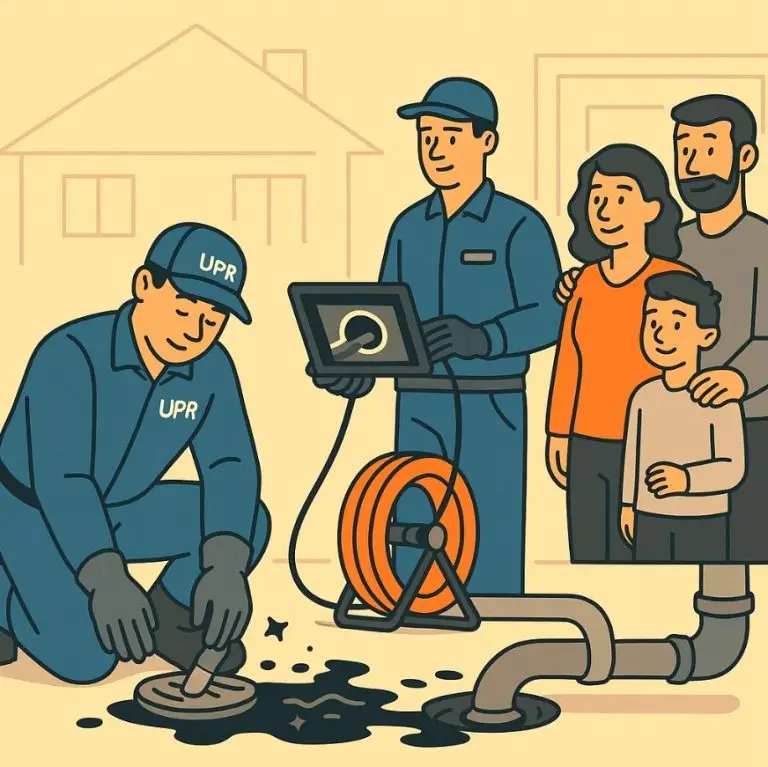
When Sewage Reaches the Basement, Cleanup Becomes a Different Kind of Job
A sewer backup is not simply water in the wrong place.
When wastewater comes up through a floor drain, toilet, shower or another low opening, it brings material from the drainage system into a part of the home that was never meant to receive it. Flooring, drywall, insulation, furniture and stored belongings can all be affected within a short period of time, but the first concern is not how quickly the basement can be made to look normal again. It is getting the backup under control and understanding what has actually been contaminated.
If sewage is still entering the home, using more water inside the house can make the situation worse. Flushing toilets, running sinks, doing laundry or operating a dishwasher all send additional water into the drainage system, so household water use should be reduced until the reason for the backup is understood.
Electrical conditions matter just as much. If wastewater has reached outlets, appliances, extension cords or electrical equipment, the flooded area should not be entered casually. A basement that looks like a cleanup job can become a completely different hazard once water and electricity are involved.
Once the immediate situation is stable, the restoration can be approached properly.
The important distinction is that the wastewater on the floor and the failure inside the drain are connected, but they are not the same problem. The Sewer Backup work deals with why wastewater stopped leaving the house and came back toward it. The restoration work deals with everything that happened after it crossed into the living space.
Sometimes the drainage problem is relatively straightforward. A severe blockage prevents wastewater from moving through the private sewer and the backup finds the lowest opening in the basement. Other times a camera investigation reveals roots, a broken section of pipe, an offset joint or a structural condition farther down the line. During heavy rainfall, the situation can also involve conditions in the municipal sewer outside the property.
Until the cause is known, cleaning the basement is only half of the job.
But the reverse is also true. Clearing the sewer does not make sewage-contaminated flooring or drywall clean simply because the drain is flowing again.
That is where sewer backup restoration becomes its own kind of work.
What Sewage Touched Matters More Than How Deep the Water Was
A basement does not need to be under several inches of wastewater for a backup to create a serious cleanup problem.
Sewage can spread across a concrete floor in a relatively shallow layer and still reach the bottom of drywall, soak carpet and underpad, move underneath finished flooring or enter gaps around cabinets and partitions. The visible waterline can therefore be a poor guide to where the contamination actually travelled.
The material matters too.
A hard surface that can be properly cleaned is different from insulation, carpet, underpad or other porous material that has absorbed contaminated water. Some materials can remain once they have been cleaned and dried appropriately. Others may no longer be reasonable to keep because the contamination has moved through them rather than remaining on the surface.
Health Canada treats sewage-contaminated flooding differently from ordinary clean-water flooding and warns that special precautions are required because of infection risks from contaminated water and materials. It also notes that affected porous household materials may need to be discarded where they cannot be adequately cleaned and dried.
That does not mean cutting every finished basement back to bare concrete after every backup. It means the removal should follow the contamination.
If wastewater reached only a limited unfinished area and the surrounding materials were not affected, the cleanup can remain limited. If sewage has travelled underneath a floating floor, saturated lower drywall or entered insulation, closing the room without opening those areas can leave the dirtiest part of the job hidden behind new finishes.
Once the affected materials have been dealt with, the remaining surfaces can be cleaned and the area can be dried before reconstruction begins.
Drying is particularly important because a sewer backup can create two separate problems if the building remains wet afterward. The first is the contamination from the wastewater itself. The second is the moisture left behind in the structure. Even after the sanitary cleanup is complete, damp material can remain inside walls, beneath flooring or around framing if the area is rebuilt too quickly.
That is why a finished-looking basement is not necessarily a restored basement.
The room needs to be ready before the walls, trim and flooring go back.
Where prolonged dampness has already become its own problem, Mould & Moisture Restoration may be required to deal with conditions that remained after the original event. A sewer backup and a mould problem can happen together, but they should not be treated as though they are automatically the same thing.
The restoration should solve what is actually there.
The Basement Is Not Finished Until the Reason for the Backup Makes Sense
Once the contaminated area has been cleaned and the damaged materials have been dealt with, there is still one question that matters:
Why did the sewer come back into the house?
A restoration can make the basement look exactly as it did before the event, but if the drainage system still contains the same restriction or structural failure, nothing underneath that new flooring has changed.
That does not mean every sewer backup requires replacing the main drain.
If the cause was an isolated obstruction and the pipe itself remains in good condition, clearing the blockage may be enough. If the backup happened because roots entered an old damaged sewer, a section has collapsed or the pipe has shifted, the repair may need to go farther. A Camera Inspection can help show what is actually happening inside the line once conditions allow the pipe to be inspected properly.
There are also homes where the private sewer is functioning but the property remains vulnerable to reverse flow during surcharge conditions. In the right plumbing configuration, a Backwater Valve can provide another layer of protection against wastewater travelling backward from the sewer toward the house. It is not a repair for roots, broken pipe or ordinary household blockages, and it should never be sold as though one valve removes every flooding risk.
Sometimes the correct answer is clearing the sewer. Sometimes it is repairing the pipe. Sometimes it is adding protection after the original drainage system has been confirmed to be sound. The restoration should not decide that answer. The condition of the sewer should.
UPR handles sewer backup restoration throughout Toronto and the GTA when wastewater has already entered the property and the work has moved beyond simply getting the drain flowing again. We can deal with the drainage problem, open the affected areas where necessary, remove damaged material, clean and dry the space, and rebuild once the basement is genuinely ready to be closed again.
That continuity matters because a sewer backup is one event, even though the work happens in several stages. The drain has to work. The contaminated material has to be dealt with. The space has to dry.
And only then does it make sense to put the room back together.
If sewage has backed up into your basement or another part of the property, call UPR. We’ll start with what is happening now, get to the reason wastewater entered the home and restore the affected area around the conditions we actually find.
UPR — We don’t fix. We solve.