
Water does not need an invitation.
It finds the lowest point, follows the smallest opening and takes advantage of every weakness a home has been hiding. A cracked foundation, an overwhelmed sewer, a damaged drainpipe or a failed sump pump may remain unnoticed for years—until one heavy storm turns a quiet problem into a flooded basement.
When that happens, the natural reaction is to rush downstairs and start moving furniture, grabbing boxes or searching for the source. But the first few decisions matter, and the wrong one can put your safety, your property and even your insurance claim at risk.
The first priority is not cleaning.
The first priority is making sure it is safe to enter.
Never step into floodwater when it has reached electrical outlets, baseboard heaters, the furnace or the electrical panel. Electricity can travel through water and wet flooring, creating a serious risk of shock or electrocution.
Do not enter the basement to reach the electrical panel if doing so requires walking through water. Contact your local electrical utility and arrange for the power to be disconnected safely. Any electrical equipment or wiring that has been exposed to water should be inspected by a licensed electrical contractor before power is restored.
If you smell natural gas, leave the house immediately and contact the gas utility or emergency services from a safe location.
No damaged flooring, appliance or personal possession is worth risking your life to save.
If dirty water is coming through a floor drain, toilet, shower or basement plumbing fixture, the problem may be a sewer backup.
Until the cause has been identified, avoid using toilets, sinks, washing machines and dishwashers unless absolutely necessary. Water discharged into the plumbing system may have nowhere to go and could return through the lowest drain in the house. The City of Toronto specifically recommends limiting water use when a sewer backup is suspected.
A sewer backup may be caused by a blockage inside the property’s drain, roots entering a damaged pipe, a broken sewer connection or an overloaded municipal sewer during heavy rainfall.
Toronto homeowners should report basement flooding or a suspected sewer backup to 311 as soon as possible. Toronto Water may investigate the incident and attempt to determine whether the issue originated on private property or within municipal infrastructure.
Reporting the incident also creates an official record, which may become important if a claim is later submitted to the City.
Contact your insurance provider promptly, explain what happened and follow its instructions before disposing of damaged materials. Take clear photos and videos of:
Sewer-backup and overland-water protection are often optional additions rather than automatic parts of a standard home insurance policy, so homeowners should confirm exactly what their policy covers.
Floodwater is not always rainwater.
When water enters through a drain or sewer connection, it may contain sewage, bacteria, chemicals and contaminated debris. Keep children and pets out of the affected space, and do not handle contaminated belongings without appropriate protection.
The City recommends protective clothing, gloves, eye protection, rubber boots and respiratory protection during cleanup. For significant sewage contamination, professional water-remediation and sanitization services are usually the safest choice.
Removing the water is only the beginning.
Before new drywall is installed, flooring is replaced or the basement is refinished, the actual point of failure must be identified. Otherwise, the basement may look repaired while the original problem remains beneath it.
A proper investigation may involve:
A wet basement is the result. The real job is finding the reason.
Not every basement flood requires the same solution. Installing a sump pump will not repair a broken sewer, and replacing a drainpipe will not stop water passing through an unprotected foundation.
That is why diagnosis comes before demolition.
A sewer backup often appears through a floor drain, basement shower, toilet or other low plumbing fixture. The water may be dirty, have a noticeable odour or rise when plumbing is used elsewhere in the house.
Potential causes include grease and debris, collapsed or cracked pipes, tree-root intrusion, damaged clay drains and overloaded municipal sewers during major storms.
A camera inspection can help determine whether the blockage is temporary or whether the underground line has suffered structural damage.
Water entering around foundation cracks, basement windows, wall joints or the connection between the wall and floor may indicate an exterior drainage or waterproofing problem.
Foundation water can result from poor grading, damaged waterproofing, blocked or deteriorated weeping tile, improperly directed downspouts or groundwater building pressure around the home.
The visible leak may be small, but the water pressure behind it may affect a much larger section of the foundation.
During heavy rain or rapid snowmelt, water may collect beside the house and enter through windows, doors, cracks or other low openings.
The City recommends maintaining eavestroughs, directing disconnected downspouts approximately two metres away from the foundation where appropriate, sealing openings and ensuring the ground slopes away from the home without directing water toward neighbouring properties.
Not every flood begins outside.
A failed waterline, burst pipe, leaking appliance, damaged water heater or overflowing fixture can release a significant amount of water inside the home. In these situations, shutting off the appropriate fixture valve or the home’s main water supply can help limit the damage—provided it can be reached safely.
A sump pump is designed to remove water collected by the home’s foundation drainage system. If the pump fails, loses power, becomes obstructed or cannot keep up with the incoming volume, the sump pit may overflow.
A pump that worked during ordinary rainfall may still fail during the storm when it is needed most. This is why pump capacity, alarms, discharge routing and backup power all matter.
There is no single device that protects every home from every kind of flood. Reliable protection usually comes from several systems working together.
A backwater valve is installed in the building drain to help prevent sewage from the municipal sewer from reversing direction and entering the home.
It must be selected and installed according to the property’s plumbing layout. It also needs to remain accessible for inspection and cleaning. A valve buried beneath a finished floor without proper access cannot be maintained properly.
When the valve closes during a backup, water from inside the home may temporarily be unable to leave through the sewer. That is another reason household water use should be minimized during severe storms or a confirmed sewer surcharge.
A sump pump collects and removes groundwater before it rises onto the basement floor. It can be especially important when foundation drains or weeping tiles are directed into a sump system.
However, the pump depends on electricity—the same service that may fail during a major storm. A battery-backup system, high-water alarm and properly routed discharge line provide additional protection when conditions become more serious.
The system should be tested periodically rather than forgotten until the next rainfall warning.
Older Toronto homes may still have clay, cast-iron or deteriorated drain connections. These pipes can crack, shift, develop rough interior surfaces or allow tree roots to enter through weakened joints.
A professional camera inspection can reveal problems that cannot be seen from the basement floor. Catching a damaged pipe before it collapses can mean the difference between planned repair and emergency excavation after a backup.
Weeping tiles collect groundwater around the foundation and direct it away from the basement. When they become blocked, damaged or disconnected, water pressure can build around the walls and floor.
Persistent dampness near basement corners, recurring wall leaks or water appearing at the wall-to-floor joint may indicate that the drainage system is no longer performing as intended.
Depending on the property, the solution may involve exterior excavation and waterproofing, interior drainage, sump-pump installation or repair of the existing foundation-drain system.
Flood protection does not begin under the concrete. It begins at the roofline.
Eavestroughs should be kept clear, downspouts should discharge away from the foundation where permitted, and the ground should slope away from the home. Basement window wells should drain properly and remain clear of leaves, ice and debris.
These steps will not repair a damaged sewer or failed foundation, but they can reduce the amount of water collecting around the house during heavy rain and snowmelt.
Waterproofing should do more than cover the visible crack.
A durable exterior waterproofing system may include excavation, surface preparation, crack repair, a waterproof membrane, drainage protection and restoration or replacement of the weeping tile where required.
Interior waterproofing can also be effective in the right situation, particularly where exterior access is limited. The correct approach depends on the foundation, site conditions, drainage system and source of the water.
The best system is not automatically the most expensive one.
It is the one designed for the actual problem.
Toronto’s Basement Flooding Protection Subsidy Program was expanded on May 1, 2026. Eligible residential-property owners may now qualify for up to $6,650 per property toward approved flood-protection work completed on or after November 12, 2025.
Eligible measures may include a home plumbing assessment, up to two backwater valves and alarms, a sump pump with an alarm and battery backup, and severing and capping certain foundation-drain connections. Program limits, permits, contractor licensing and other eligibility conditions apply.
Homeowners should confirm eligibility before work begins and retain all required permits, invoices and supporting documentation.
Most homeowners do not think about the pipe beneath the basement floor, the valve hidden inside an access box or the pump waiting in the corner.
Not until the rain becomes heavier.
Not until the drain starts making noise.
Not until water begins rising where it should never appear.
Flood prevention is not about assuming the worst. It is about understanding where the home is vulnerable and correcting those weaknesses before the next storm exposes them.
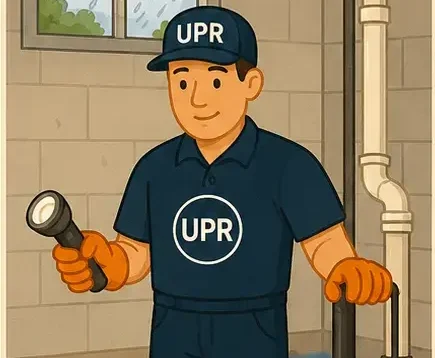
At UPR, we inspect the entire system—from underground drains and sewer connections to sump pumps, backwater valves, weeping tiles and foundation waterproofing. We do not begin with the most convenient repair. We begin with the cause.
Because removing the water solves today’s emergency.
Stopping it from returning solves the problem.
For basement-flooding assessments, sewer-camera inspections, backwater-valve installation, sump-pump systems, drain repairs and professional waterproofing across Toronto and the GTA, contact UPR.
UPR — We don’t fix. We solve.